
Before any coating system is applied to a concrete floor, the condition of the slab underneath determines how well that system will perform. Whether it’s a residential garage or a large commercial facility, coatings are only as strong as the surface they bond to. If the concrete is cracked, spalling, or weakened, those issues must be addressed first.
That’s why concrete coating projects almost always begin with repair. Skipping this step is one of the most common reasons coatings fail prematurely, especially in climates like Minnesota where freeze-thaw cycles and moisture exposure put added stress on concrete.
Understanding what gets repaired—and why—helps homeowners and property managers make better decisions before investing in a coating system.
Concrete may look solid on the surface, but damage often develops underneath long before it becomes obvious. In both residential garages and commercial spaces, years of traffic, salt exposure, moisture, and impact gradually weaken the slab.
Coatings are designed to seal and protect concrete, not rebuild it. If the base layer is compromised, the coating will eventually reflect those weaknesses.
Proper repair ensures:
Before coating can begin, floors are carefully evaluated for structural and surface issues. The most common problems include cracks and spalls, which can vary in severity depending on the age and use of the concrete.
Cracks are extremely common in both homes and commercial buildings. They can form due to settling, temperature changes, heavy loads, or long-term wear.
Not all cracks are the same, but they all need attention before coating.
Typical crack repair methods include:
The goal is not just to hide cracks, but to stabilize them so they don’t continue to grow or transfer through the coating over time.
Spalling occurs when pieces of the concrete surface break away, leaving rough or uneven areas. This is often caused by moisture intrusion, de-icing salts, or repeated impact from heavy use.
It is especially common in Minnesota garages and commercial entry points.
Spall repair typically involves:
Without repairing spalls, coatings can end up bonding to weak material that continues to deteriorate underneath.
In high-traffic commercial spaces, or even busy residential garages, concrete often becomes worn, dusty, or pitted over time. This weak surface layer must be addressed before coating application.
Surface preparation may include grinding or resurfacing to restore a uniform profile. This helps ensure the coating bonds evenly and performs consistently across the entire floor.
While the types of damage are similar, repair needs often differ between residential and commercial spaces.
In residential settings, such as garages or basements, issues are often caused by:
In commercial environments, damage tends to be more severe due to:
Because of this, commercial floors may require deeper repair work before coating systems can be installed.
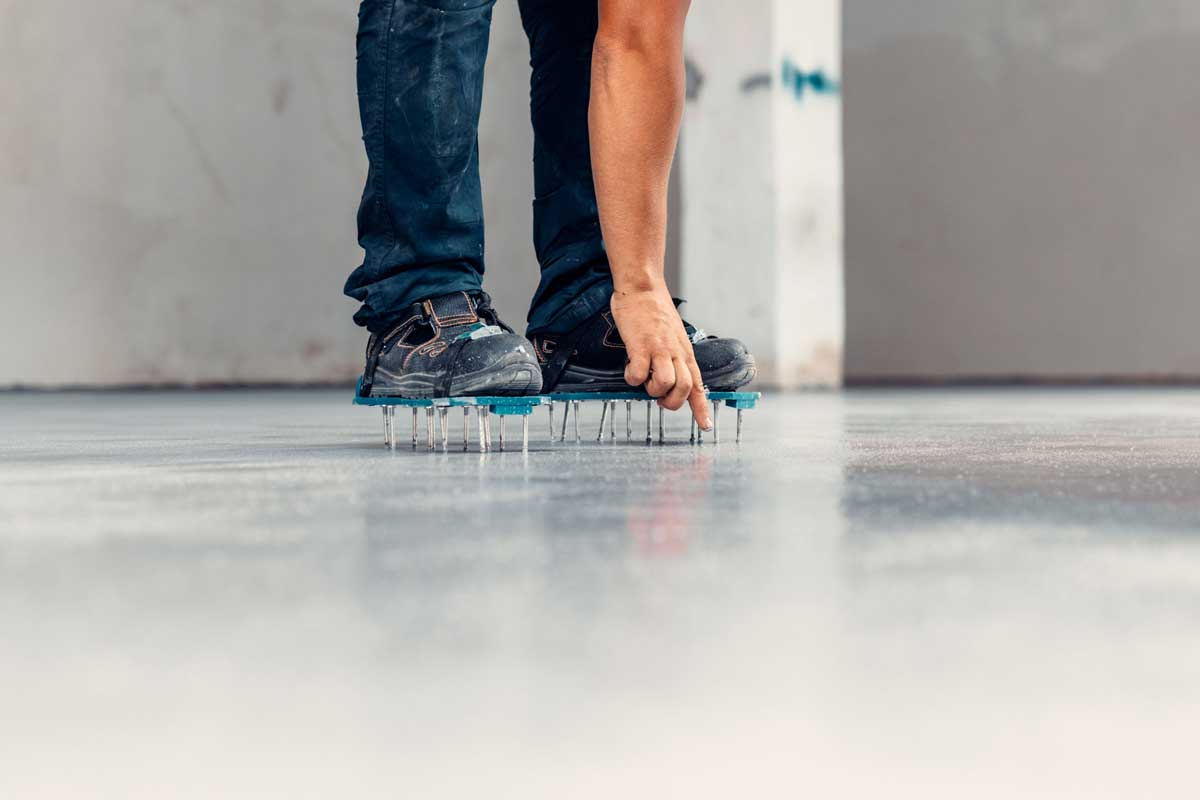
Once repairs are complete, the entire floor still needs to be properly prepared before coating. This step is critical for ensuring long-term adhesion.
Preparation typically includes:
Even well-repaired concrete can fail if the surface is not properly prepared afterward. This is why preparation and repair are treated as a connected system.
A coating system does not sit on top of concrete—it bonds to it. That bond is only as strong as the surface beneath it.
When repairs are done correctly, coatings benefit from:
When repairs are rushed or incomplete, coatings are far more likely to fail early, even if high-quality materials are used.
If your concrete shows signs of cracking, spalling, or surface wear, the most effective approach is to handle repair and coating together as one coordinated project.
Contact Drew’s Industries to learn more about concrete repair services, explore coating options, and receive a bundled quote for full coating and installation support.