
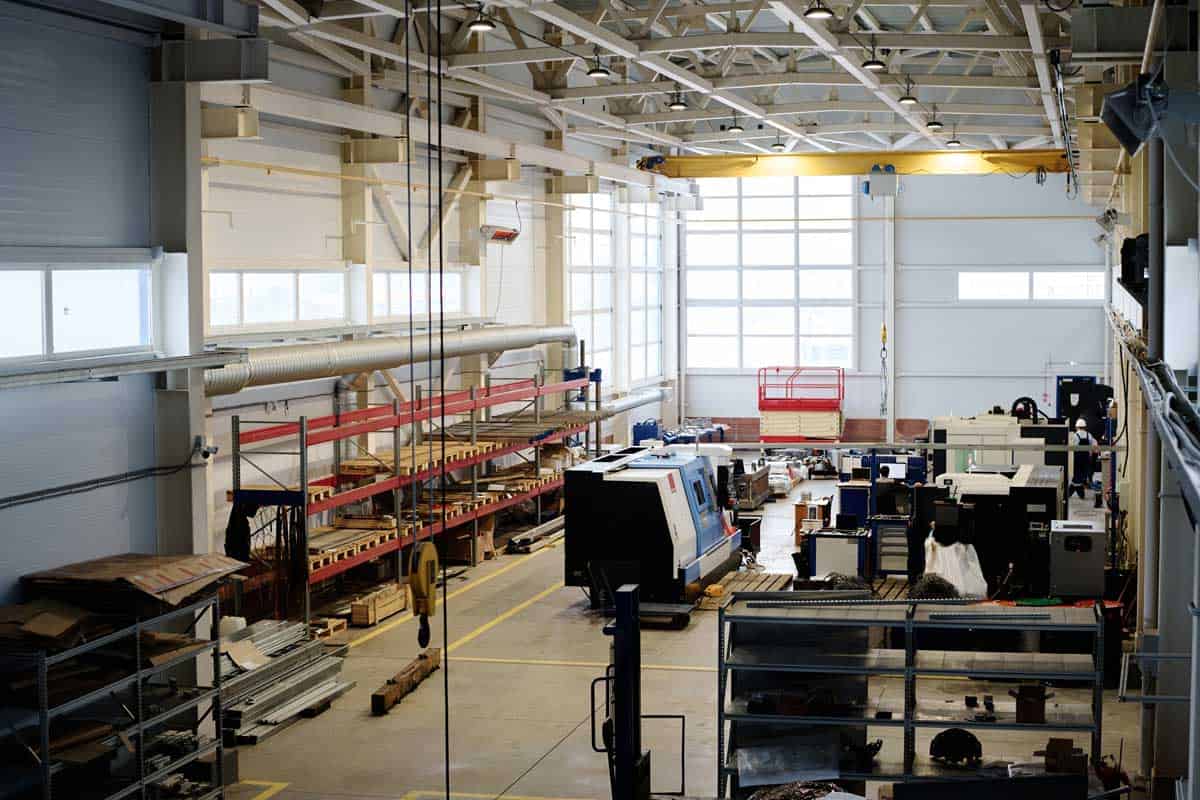
Manufacturing facilities don’t have the luxury of “light use” floors. Between forklifts, pallet jacks, heavy machinery, chemical exposure, and constant foot traffic, concrete in industrial spaces is under stress every hour of the day. Over time, that stress shows up as cracking, surface dusting, spalling, and uneven wear that can interfere with safety and efficiency.
That’s where industrial coatings come in. Properly specified and installed coating systems protect concrete from ongoing damage, improve safety conditions, and help facilities maintain uptime in environments where downtime is expensive.
For facilities considering industrial concrete coatings in MN or planning a factory floor coating project, understanding how these systems support durability, compliance, and operations is key before making decisions.
Industrial floors are not passive surfaces—they are active working components of a facility. That means coating systems must be engineered to withstand constant and repeated stress without breaking down.
Heavy-duty industrial coatings are designed to handle:
Unlike residential or light commercial coatings, industrial systems are built in layered structures that distribute stress and maintain integrity under pressure. Each layer plays a role in adhesion, durability, and surface performance.
In high-use environments, this level of durability is essential. Without it, bare concrete quickly begins to degrade, leading to higher maintenance demands and increased risk of surface failure.
In manufacturing facilities, flooring is not just a maintenance concern—it is often part of broader safety and compliance standards. Floor conditions can directly impact how a facility meets operational and regulatory requirements.
Industrial coating systems help support compliance by improving:
A properly designed coating system can contribute to safer workflows and more predictable operating conditions. In environments where inspections or safety audits occur, flooring condition is often a visible indicator of overall facility management.
While coatings alone do not guarantee compliance, they are a foundational element in maintaining a controlled and safe work environment.
Unlike many commercial upgrades, industrial flooring projects must be planned around one central priority: uptime.
Every hour of downtime in a manufacturing facility can impact production schedules, labor efficiency, and revenue. Because of this, industrial coating systems are designed not only for durability, but also for efficient installation and return-to-service timelines.
Common strategies used to protect uptime include:
In many cases, coating projects can be completed without fully shutting down operations. This makes factory floor coating projects more manageable for active facilities that cannot afford long interruptions.
The ability to maintain productivity during upgrades is one of the most important advantages of modern industrial coating systems.
Not all industrial floors experience the same conditions. A warehouse, fabrication facility, and chemical processing plant all place different demands on their flooring systems.
This is why industrial coating design must be tailored to each environment. Factors that influence system selection include:
A properly designed system accounts for all of these conditions to ensure long-term performance. This reduces the likelihood of premature wear, surface failure, or operational disruption.
While industrial coatings are often evaluated based on upfront cost, their long-term value is more important in manufacturing environments.
When properly installed, industrial coating systems can:
Over time, this leads to lower lifecycle costs and more stable operating conditions. Instead of reacting to floor deterioration, facilities can proactively manage performance through a protected surface system.
Industrial coating systems rely heavily on proper installation to perform as intended. Surface preparation, environmental conditions, and application technique all influence long-term durability.
Professional installation ensures:
In industrial environments, even small installation errors can lead to large-scale performance issues. That is why system design and execution must be handled with precision.
At Drews Industries, we specialize in preparing and protecting concrete floors for demanding industrial environments. Our process focuses on thorough evaluation, durable repair work, and high-performance coating systems designed for manufacturing facilities across Minnesota.
From initial assessment to final application, we prioritize long-term durability, safety, and operational efficiency. Contact Drew’s Industries to schedule an evaluation and receive a quote.