
Service Bays Across the Twin Cities
Every vehicle that rolls into your bay in January brings salt, slush, and dripping fluids with it. We seal service bay concrete with epoxy and polyaspartic systems that wipe clean, add traction, and brighten the shop.
Auto shop floor coatings seal service bay concrete under a hard epoxy and polyaspartic system. Oil, coolant, and salt brine stay on top, where a squeegee can clear them. The coated floor also adds grip near lifts and makes the whole shop brighter.
Minnesota roads stay salted for months at a stretch. Every vehicle that pulls into a bay carries that salt in its wheel wells, and every drip lands on your concrete. Add brake fluid and hot tires, and a bare shop floor wears out faster than most owners expect.
We coat repair shops, dealer service departments, and fleet garages across the metro. Shops in Coon Rapids, Blaine, and Brooklyn Park face the same winter grind as shops along Highway 12.
Tell us how many bays you run and which ones can close at once. We will plan the order with you.
Concrete absorbs liquid. Fast. Oil soaks in and leaves stains that degreasers never fully remove. Salt brine works into the pores and freezes overnight when bay doors open in a cold snap.
After a few winters, a bare shop floor shows the damage.
A sealed coating stops that cycle. Instead of spreading floor dry on every spill and sweeping it up later, your techs wipe the surface and move on.
A quick lube lane, a heavy repair bay, and a wash bay each need something different. Our commercial systems use high-strength epoxy and polyaspartic layers, and we choose the build for each space.
During the site visit, we ask what fluids you use and where they land. We also ask how you clean and what rolls across the floor. Those answers guide the shop floor epoxy system we recommend. A polyaspartic topcoat suits most bays, since it stays UV stable near open doors.
A tech under a lift or carrying a wheel across a wet bay in February needs steady footing, and a bare or painted slab cannot give it to them. We add grit to the topcoat around lifts, drains, and wash zones, where floors stay wet the longest. Too much texture traps grime, while too little leaves techs sliding near drains.
We balance the two based on what you tell us about each bay. Samples come along, so you can feel the difference by hand before you choose.
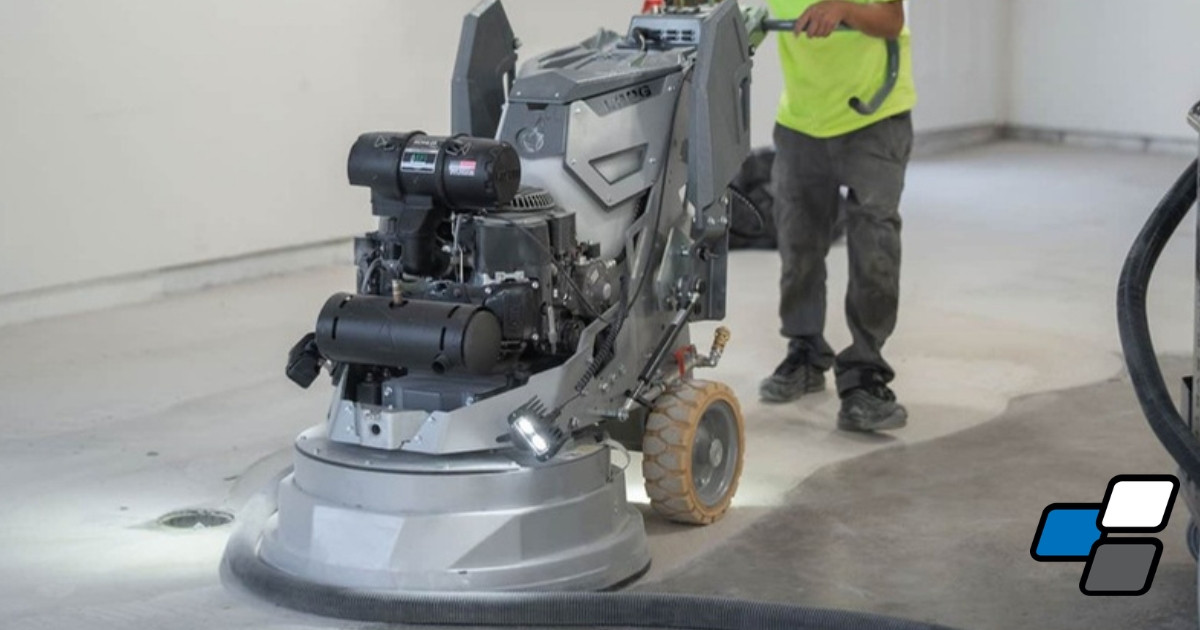
Years of oil and coolant soak deep into shop concrete. These steps show how we pull that contamination out so the new floor bonds. Skipping them is why many shop coatings peel within a year.
Oil stains under lifts and drain pans get checked before we price the job. Deep contamination changes the prep plan. You see it in the estimate.
Light grinding fails here. Oil hides below the surface. We grind deeper at stained areas until clean concrete shows, then vacuum the dust at the source.
Floor drains and lift bases tend to have broken edges. Our crew rebuilds them so water flows to the drain and the coating has a solid edge.
We coat a few bays at a time and keep the rest of the shop working. Each bay returns to service on the date set in the plan, so you can book customer cars, fleet work, and inspections without guessing.
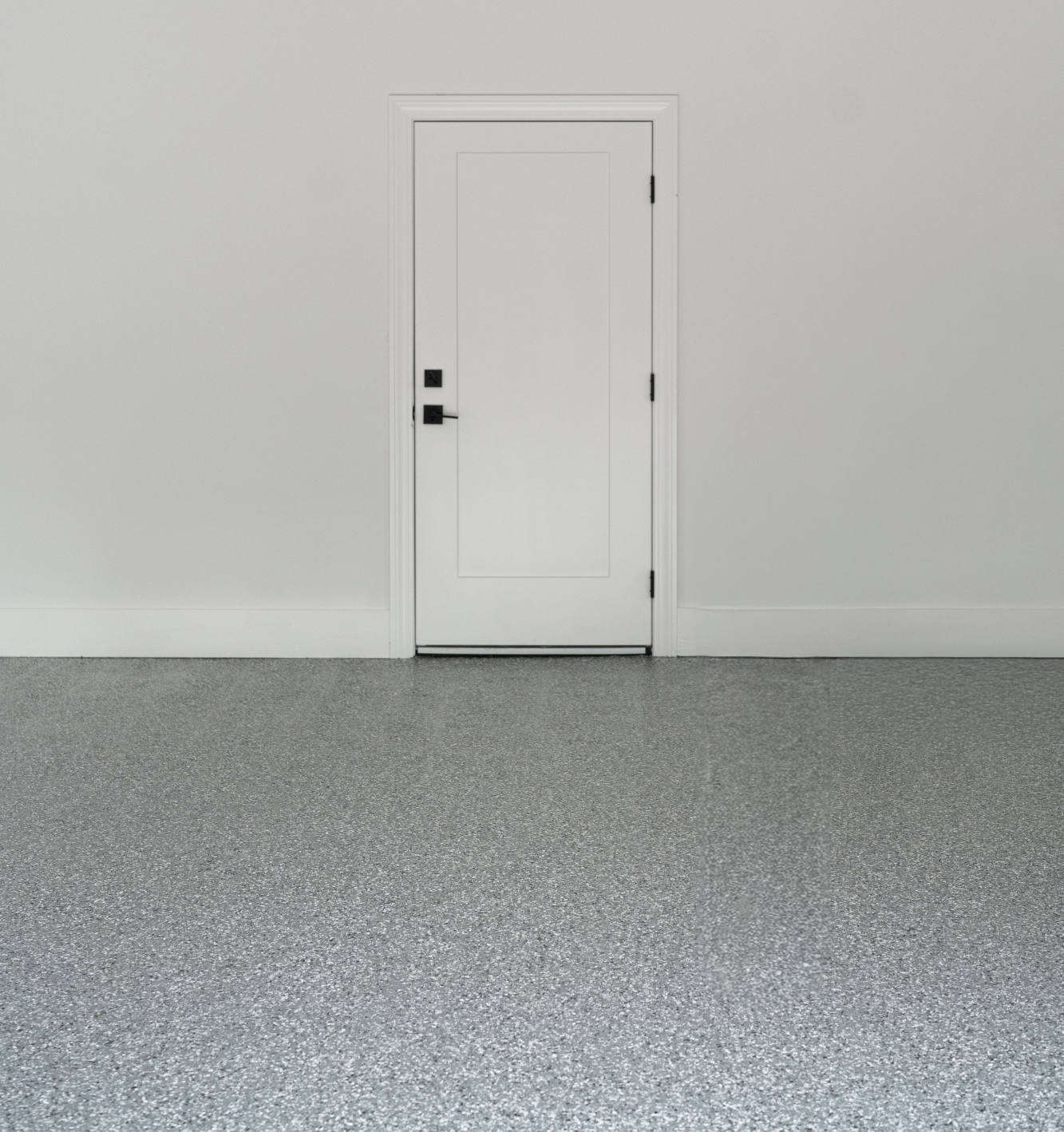
A coated floor reflects more light than gray concrete. Techs spot dropped bolts and small leaks faster, and the shop looks cleaner from the customer counter. Solid colors give a crisp look that fits most service departments. Safety striping marks walkways, lift zones, and no-park areas.
A shop floor has to handle oil, coolant, salt, and dropped tools every day. Owners trust us because we treat oil and coolant contamination as the first problem to solve on every shop floor we quote.
Coatings fail on shop floors when oil stays in the slab. Our crews grind until clean concrete shows, which is why our shop floors hold their bond.
Light colors bounce more light up into wheel wells and engine bays. Techs see more and grab flashlights less during the day. A clean floor also shows leaks sooner.
We work in phases, so some bays stay open while others cure. You keep billing hours through the whole project, and customers still get their cars back on time.
Yes, in most cases we can coat an oil-stained shop floor after deep grinding. The grinder removes the contaminated top layer and exposes fresh concrete for the coating to grab. If oil has gone very deep in one spot, we test that area and give you a straight answer on what it needs before we quote.
Rarely. Most owners split the shop into groups of bays and keep the rest open. We set the order during the estimate and confirm cure times for each group. That way your service writers can book customers around the closed bays instead of turning work away for the whole project.
Every commercial system we install has slip resistance built in, and we add extra grit around drains, lift posts, and wash areas. We match the texture to each zone, so walkways stay easy to sweep. Techs get more grip where fluids land and water pools during winter months.
Yes, lane lines, colored work zones, and a logo near the customer door can all be part of the floor design. We set them under the clear topcoat, so tires and creepers do not wear them away. Many shops use color zones to keep customers out of active work areas.
Squeegee spills and brine toward the drain, then mop or scrub with a neutral cleaner. Oil and coolant stay on top of the sealed surface, so absorbent pads lift them fast. Skip harsh solvents, which can dull the topcoat. Walk-off mats at bay doors catch winter grit before it spreads.
A sealed, bright floor keeps your bays working longer and looking sharper. We will look at the slab, talk through each bay, and lay out auto shop floor coatings that suit the way your techs work. Call (763) 972-4010, or compare our other commercial concrete coatings.