
The Topcoat Behind Our Floors
Sunlight, salt, and January cold all test a concrete floor in different ways. We finish our floors with a UV-stable polyaspartic topcoat. It stays clear, flexes with the weather, and keeps your color fresh.
Polyaspartic flooring uses a clear, flexible coating from the polyurea family. It does not yellow in sunlight, and it moves with concrete as temperatures swing. That makes it the right topcoat for garages, patios, and any floor that sees daylight or deep cold.
Ask ten flooring crews what goes on top of a coated slab, and you will hear ten different opinions about resins, brands, and gloss levels. Our answer is short. Polyaspartic. It is the clear layer that faces the sun through an open garage door, the salt that drips off a truck in February, and the scuffs of daily life.
We install polyaspartic floors across Wright County and the Twin Cities metro from our Delano shop.
Tell us where the floor is and how much sun it gets. We will explain how polyaspartic fits your space.
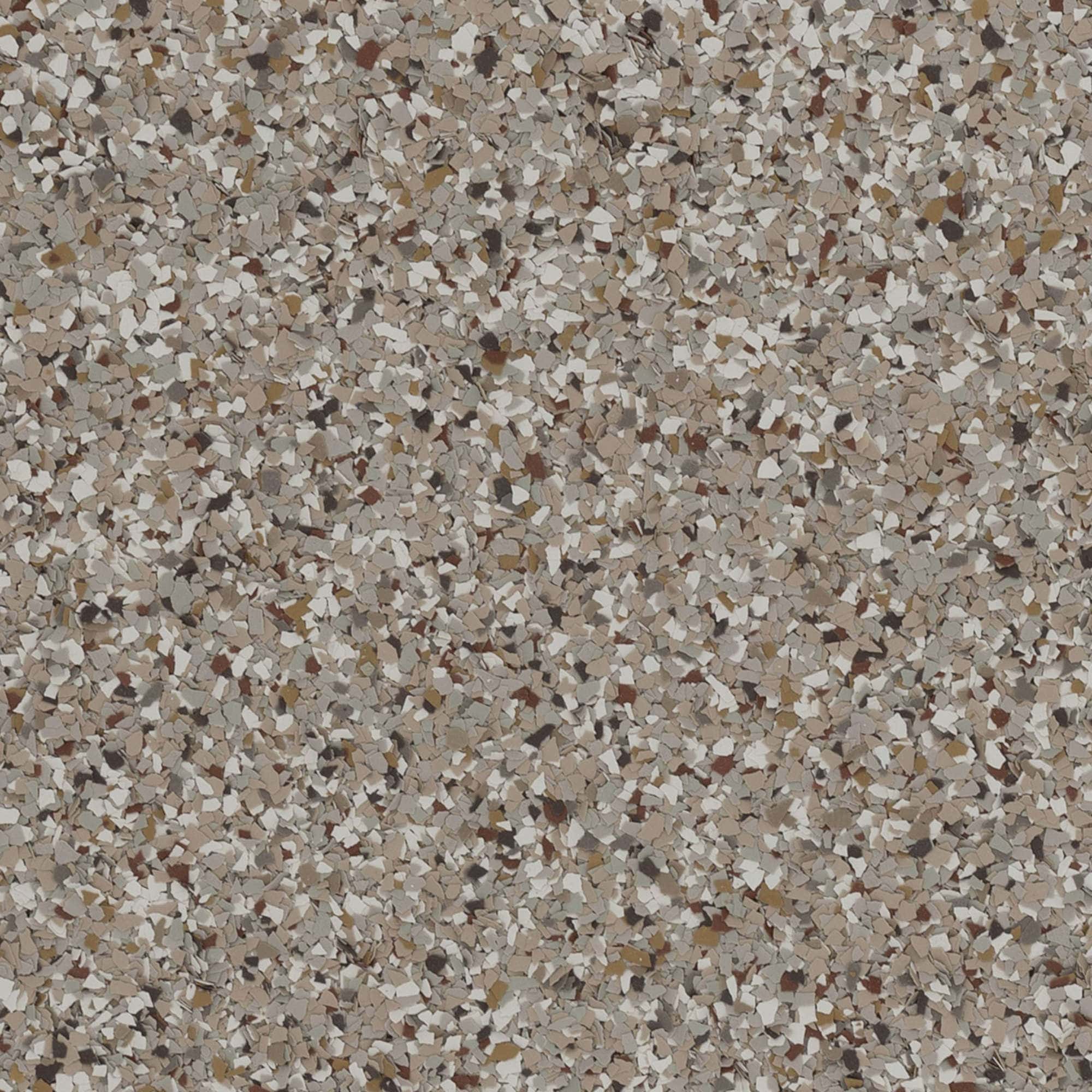
Polyaspartic is a type of polyurea, a family of coatings known for toughness and flex. It goes on as a liquid and hardens into a clear, glossy film. Unlike many older floor coatings, it does not break down under sunlight, and that one trait changes where you can use it.
Think about the strip of garage floor inside the door.
A polyaspartic floor coating resists that change, so the floor looks even from front to back.
Concrete moves a little as temperatures swing, and a rigid film can crack along with it. Here in Delano, a garage slab might sit near zero in January and climb past ninety in July. Brittle finishes lose.
Our residential system expands and contracts with the slab without chipping. The polyaspartic topcoat is the part that makes that possible, since it stays flexible long after it cures.
Every residential floor we coat follows the same order. A polyurea primer sinks into the ground slab. A base coat builds color and holds any chips. The polyaspartic topcoat seals everything in and takes the daily abuse from boots, tools, and salt.
For businesses, we may build on a high-strength epoxy base and finish with polyaspartic. That mix gives a hard, chemical-resistant body with a clear, sun-stable surface. We pick the pairing after we see the space.

Minnesota crews salt the roads from November into April. Here is what a polyaspartic garage floor does with that salt, season by season.
Brine drips off the car. It sits on the sealed surface. None of it soaks into the concrete pores, so a squeegee clears it in a minute.
The slab shrinks on subzero nights, and the flexible topcoat moves with it instead of cracking. The chips and color stay locked in place all season.
You push puddles out the door with a squeegee. The concrete underneath stays dry and solid, with no pits or flakes showing up near the door.
A hose and a soft broom clear the last of the grit. The chips and color look the same as install day.
Because it stays clear in sunlight, polyaspartic is a strong fit outside. Patios and pool decks see more sun than any garage, and our UV Collection chips pair with it for outdoor use. Inside, a four-season porch or a walkout basement with big windows gains the same benefit.
No topcoat can save a badly prepped floor. Our crews spend the most care on prep, which is why our polyaspartic floors keep their bond and color.
We grind every slab to open the pores and pull the dust with HEPA vacuums. Chips and gouges get repaired, so the primer lands on solid concrete.
Polyaspartic resists UV yellowing, so garages with west facing doors and sunny patios keep their true color. We use it where sunlight would hurt an epoxy topcoat.
Minnesota slabs move as they freeze and thaw. Polyaspartic stays flexible after it cures, which helps the floor ride out cold snaps without cracking. Rigid topcoats tend to crack instead.
Each one has a job, and the best garage floors use both ideas. Epoxy builds a hard, thick body that works well as a base and on heavy commercial floors. Polyaspartic stays clear in sunlight and flexes with temperature swings. That is why we use a polyaspartic topcoat on every residential floor we install.
No, our polyaspartic topcoat is UV-stable, so it resists fading and yellowing. That holds true even near open garage doors and on outdoor slabs in full sun. Standard epoxy can turn amber under the same light, which is the main reason we never finish a home floor with plain epoxy.
Not at all. Spiderweb cracking is common in older garage slabs, and we repair it before coating. Our crew grinds the slab, fills the cracks, and lays the primer over solid concrete. If the slab has heaved or broken into loose pieces, we will tell you and explain the options for new concrete.
You can walk on a new polyaspartic floor about 24 hours after we finish. Vehicles and heavy items wait a few more days while the layers harden all the way through. Your crew lead tells you the exact date for parking, based on your slab and the weather that week.
Yes, polyaspartic works well outdoors because it does not yellow or chalk in the sun. We pair it with UV Collection chips made for outdoor slabs. The finished patio or pool deck resists water, freeze and thaw, and fading, and the chip texture adds grip for wet feet.
A clear, tough topcoat is the difference between a floor that fades and a floor that stays sharp for years. We will walk your space, check the concrete, and show you how polyaspartic flooring fits your plans. Call (763) 972-4010, or compare systems in our concrete floor coatings guide.