
Plants and Production Floors
Production floors carry forklifts, pallet jacks, spills, and long shifts without a break. We install epoxy, polyaspartic, and quartz systems with grit and striping that keep plants safer and easier to clean.
Industrial floor coatings seal plant slabs under epoxy, polyaspartic, or quartz layers. They stop concrete dust, keep spills on top, and hold lane striping for years. We set the system zone by zone to match your process and your cleaning routine.
Compare two production floors side by side. One is gray with dust, dotted with stains, and worn into ruts along the forklift path. The other shines, bright and sealed, with clear lanes. The second sheds less dust into your product and cleans in half the time.
Our crews serve plants from Wright County to the east metro. Plants in Shakopee, Chaska, and Roseville need floors that last through full shifts. So do the small shops along Highway 12.
Tell us about your process, your shifts, and any floor areas that can never shut down.
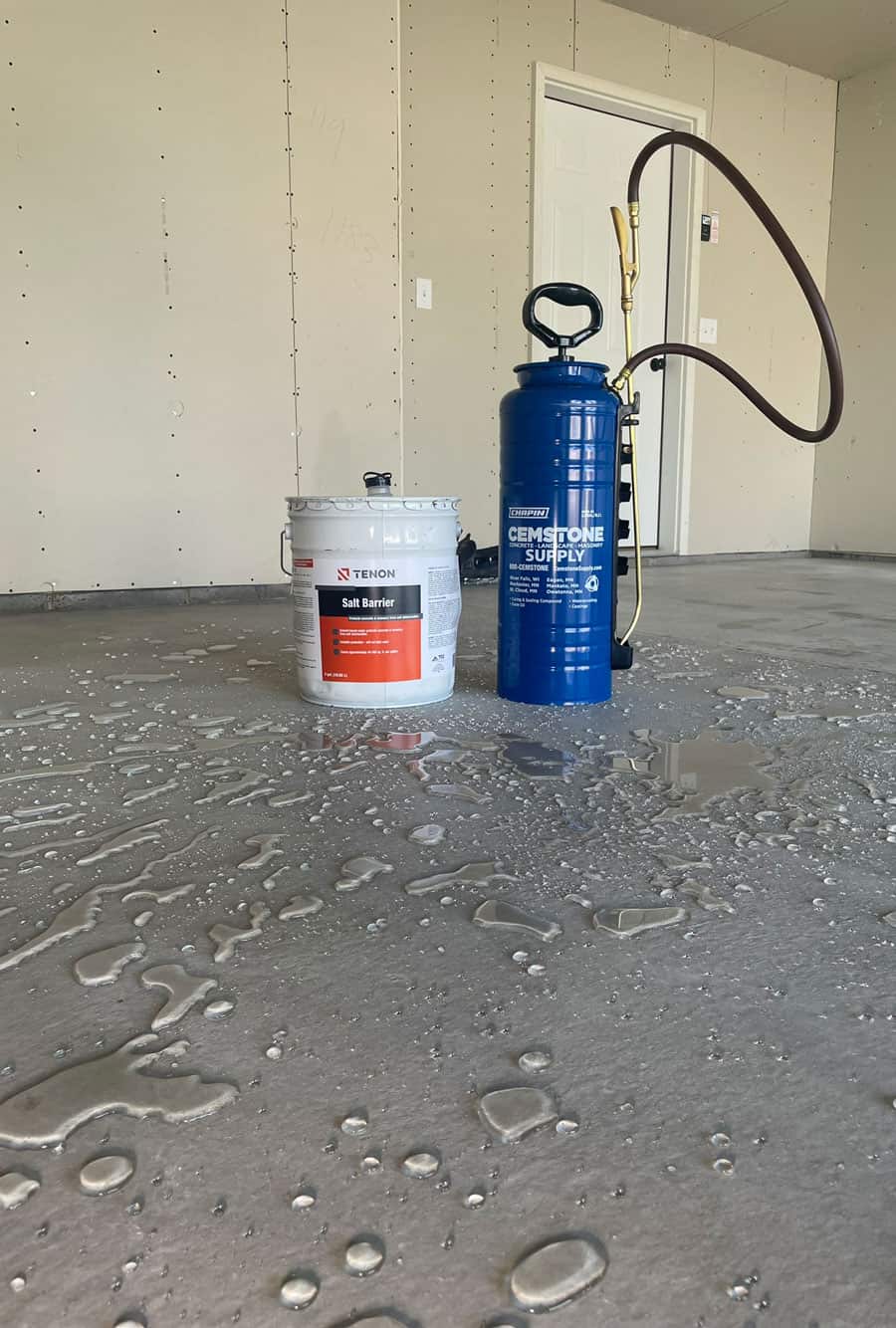
Unsealed concrete breaks down under daily use, and in a plant that runs two or three shifts, that wear never gets a night off to rest. Forklift wheels grind the top. Oil and coolant soak in.
That breakdown shows up across the plant floor.
A coated floor locks the surface down, so dust stops at the source. We repair ruts and spalls first, so the finished floor runs smooth from dock door to production line.
No two plants run the same process. No single coating fits all. Our systems use high-strength epoxy and polyaspartic layers, and the build changes with the work on the floor. A packaging line, a parts warehouse, and a maintenance shop each get their own system.
Quartz suits areas that need extra strength, grip, and chemical protection. Solid color makes spills and debris easy to spot. An industrial epoxy floor coating can combine both, with quartz in wet zones and solid color across dry storage.
Food plants need floors that support strict cleaning routines. We offer coating options built on FDA-approved systems for these settings. A sealed, continuous floor removes many of the cracks and joints where residue builds up.
Some rooms see hot water, steam, or frequent scrubbing, so the topcoat matters as much as the base. We review your cleaning products during the site visit and match each layer to what the room goes through.

A plant cannot stop for a floor project. These steps keep lines running while each zone gets its coating. Your production manager signs off on every date before we book crews.
We walk the plant with your manager and mark production, storage, wash, and travel areas. Each zone gets its own system. And its own schedule. Nothing gets missed. Even the wash bays and loading dock edges end up on the map with their own coating plan.
Work happens during planned shutdowns, weekends, or off shifts. We set dates around your production calendar, not ours. Crews can run long shifts to fit a short shutdown window. Tight is fine.
Machines get covered. Then containment walls go up around the work zone, so grinding dust stays away from finished goods, panels, and running lines. Dust collection runs right at the grinder head.
Each zone returns on the planned date, with lines and safety zones sealed into the floor. Forklift traffic waits until the coating is fully cured, and your manager gets the exact date before the first zone even closes.
Quartz granules seeded into the wet coating add body, grip, and chemical resistance. The finish holds footing near wash stations and loading zones without trapping grime. See completed quartz work in our gallery to compare textures and colors.
A plant floor supports every machine, pallet, and person in the building. Managers pick us because we read worn slabs well and plan around production.
Decades, not seasons. Our team has poured, ground, and coated concrete for that long. That helps us read worn industrial slabs and plan the repairs they need before coating.
Our crews train to work safely around forklifts, staff, and running machines. Regular safety meetings keep that habit sharp, and exits and aisles stay clear all day.
Production, storage, and wash areas each get the system that fits. One size fails. You get one plan for the whole building, not one product everywhere. Budget goes where it matters.
Yes, in most cases we coat a plant floor in phases while production continues. We map zones around your shifts and close only one area at a time. We wrap machinery near the work zone. Every phase has a return date agreed before it starts.
Yes, FDA-approved system options are available for food and beverage plants. During the site visit, we review your sanitation steps, cleaning chemicals, and hot water use. Then we match the base and topcoat to that routine, so the floor holds up to daily washdowns instead of breaking down under them.
Yes, lane lines, pedestrian aisles, staging boxes, and department colors can all go into the coating. We set them before the clear topcoat, so forklift traffic does not wear them away like paint. Contrasting colors also help new hires learn the plant layout and stay out of equipment paths.
We repair cracks, ruts, pits, and spalled joints during prep, before any coating goes down. A smooth, sound slab is what keeps the new floor bonded under heavy loads. If a section is too far gone to patch, we say so. Cutting it out and pouring new concrete is one option.
A well-prepped industrial coating can serve for many years, but heavy forklift lanes wear first. The service life depends on loads, wheel type, chemicals, and cleaning methods. When busy lanes show wear, a fresh topcoat can renew them without grinding the whole floor back to bare concrete.
Your floor supports every machine and person in the building. We will tour the plant, check the slab, and propose industrial floor coatings that suit your process and your calendar. Call (763) 972-4010, or compare our commercial concrete coatings for warehouses and shops.