
Backyard Concrete in Delano, MN
Backyard concrete gets a short, busy season and a long, harsh winter. We repair the slab, add outdoor-rated chips for color and grip, and seal it under a UV-stable topcoat so the patio looks good all summer.
Patio floor coatings seal backyard concrete under outdoor chips and a UV-stable topcoat. That layer blocks water, adds grip, and keeps the color from fading in summer sun. The result lasts far longer than a sealer and looks finished from the back door.
Delano has thrown a Fourth of July celebration since 1857, the oldest in Minnesota, and plenty of local families host their own cookout that week. That is when someone notices the patio. Stains cover the concrete, a corner is flaking, and the grill spot has a dark ring that will not scrub out.
We repair what needs repair, add color and texture, and seal the whole slab before your next party.
Send a photo of your patio if you have one. We will bring UV Collection samples to lay on the slab.
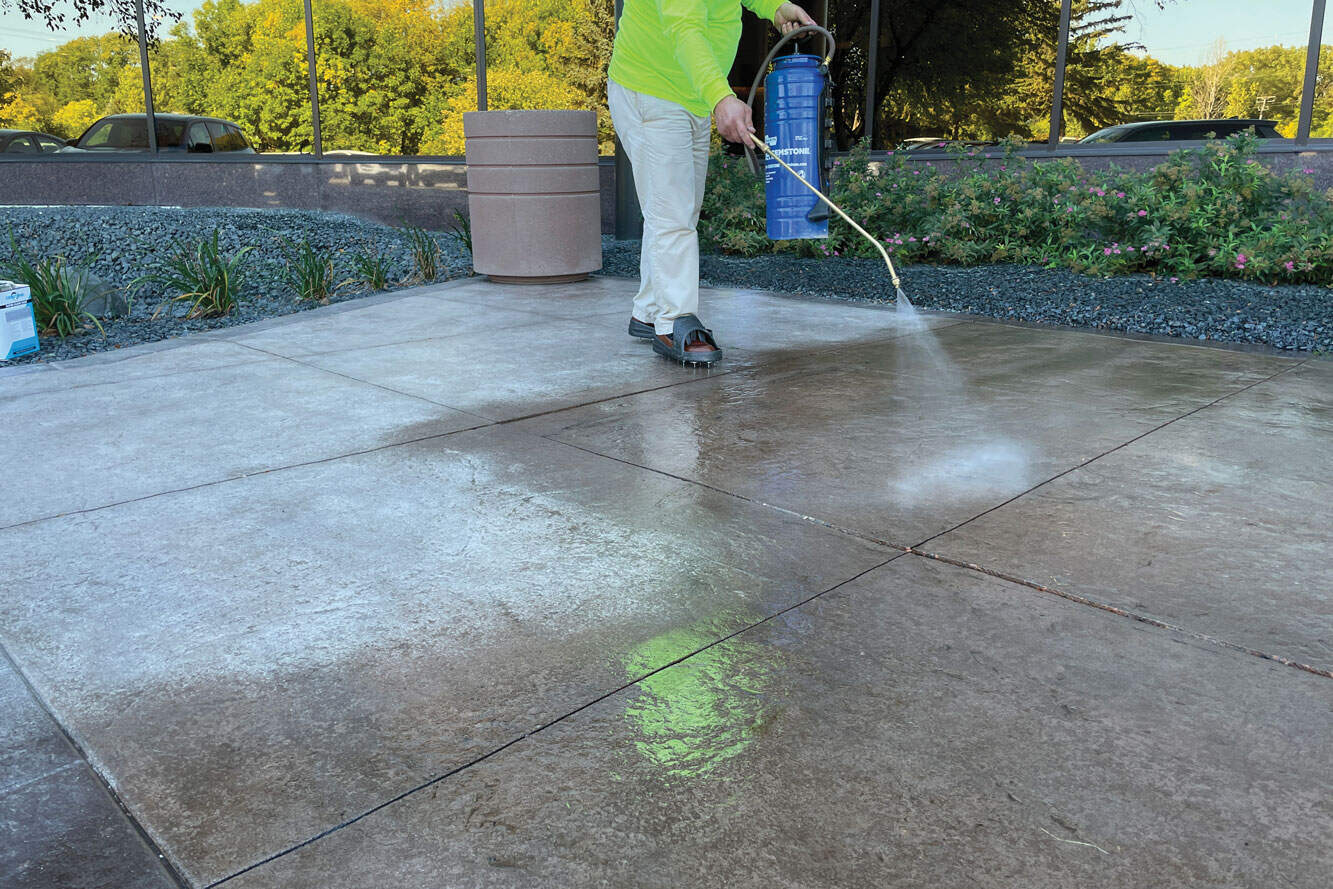
A patio sees more weather than almost any concrete at your home. It never gets a day off. Summer sun bakes the surface, and rain soaks in with dirt and pollen. Then winter arrives, and every bit of trapped water freezes and grows.
After several years, the damage stacks up on the patio.
Power washing makes a bare patio look better for a week. It also opens the concrete to more water, so the next winter hits harder.
Indoor floors and outdoor slabs need different products, because sunlight, rain, and frost attack a patio in ways a garage or basement floor never has to face. Our concrete patio coatings start with a polyurea primer bonded to ground concrete. A base coat follows, and then we toss chips from our UV Collection by hand.
A polyaspartic topcoat seals the job. It resists fading, moisture, and freeze and thaw, and it flexes as the slab warms and cools. A plain epoxy patio floor can yellow and chalk in direct sun, which is why we finish every outdoor job with a topcoat made for daylight.
People sometimes ask if this is the same as indoor epoxy flooring. The prep looks alike, but outdoor concrete coatings have to handle sun, rain, and frost in one year, and that changes every layer we pick.
Outdoor coating work needs dry concrete and mild temperatures. That puts most patio projects between late spring and early fall. Homeowners who call in March or April tend to land the best dates before graduation parties and holiday cookouts.
Before grinding, we cover siding, doors, and window wells. Flower beds and fresh mulch stay where you left them.
Patio work depends on the sky as much as the crew. These steps show how we pick the right days and protect the yard around the slab.
Outdoor coatings need dry concrete and mild temperatures. We book patio work for late spring through early fall and confirm the dates against the forecast a few days ahead.
Siding, door thresholds, and garden beds near the slab get covered before grinding. Hoses and furniture move off the patio so the crew can reach every edge.
Frost lifts patio edges and opens cracks over the winter. We grind high spots down and fill cracks so water cannot sneak under the new coating next spring.
Outdoor chips and a polyaspartic topcoat go down last. Both resist sun fading, so the patio keeps its color through long July afternoons and many seasons after.
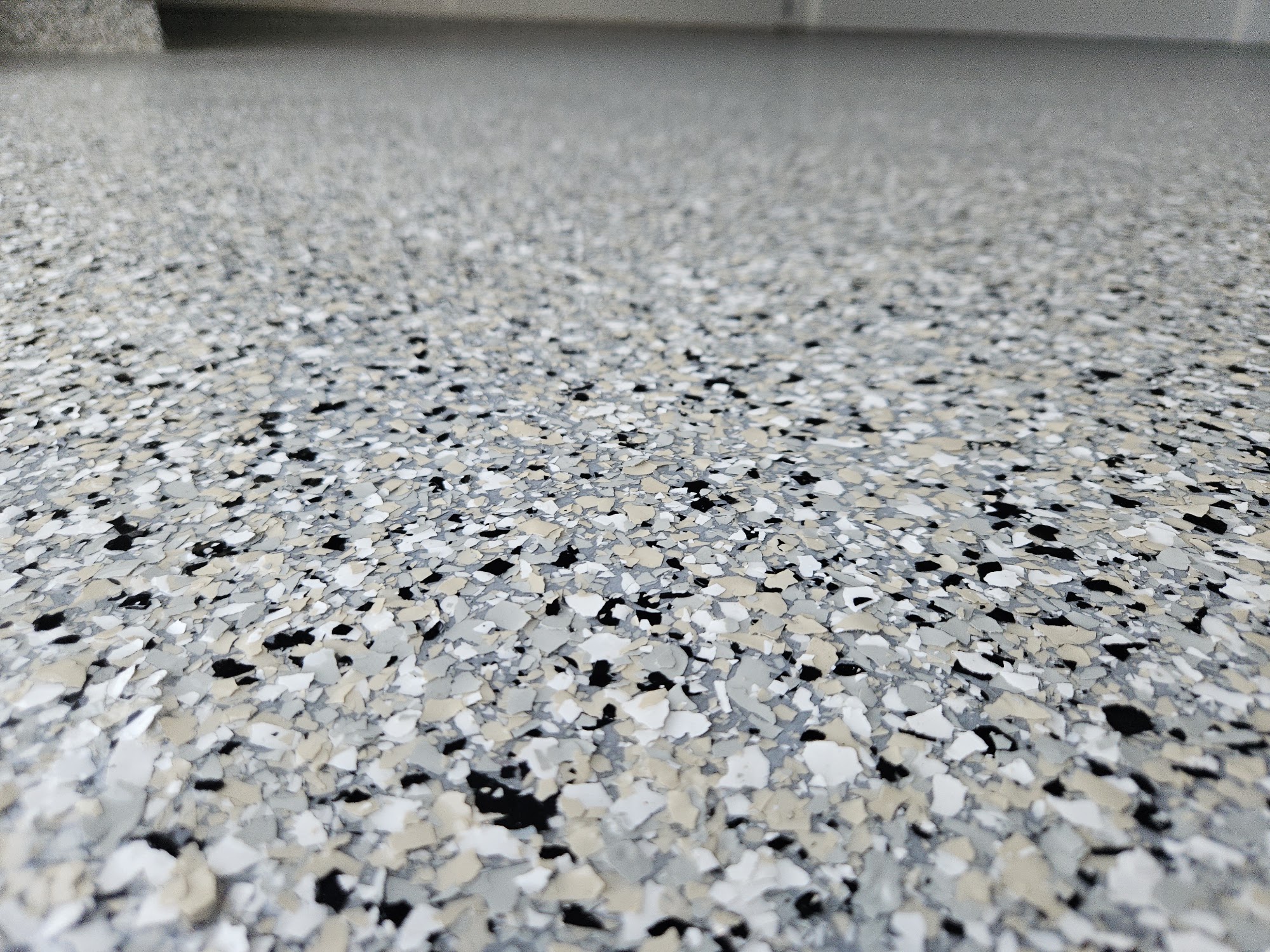
Our UV Collection chips carry names that match home styles, like Farmhouse, Craftsman, Bungalow, and Cottage. That makes it easier to pick a patio color that works with your siding and trim. Pale blends stay kinder to bare feet in July. Deeper tones hide pollen and garden soil until the next hose down.
Backyard concrete faces frost, sun, rain, and grill grease in one year. Our approach comes from years of pouring patios as well as coating them. We know how a patio behaves in a Delano yard.
Our flatwork crews build patios, steps, and walks across the metro. If a section of your patio has sunk or cracked through, we can replace it and coat the whole space to match.
Interior epoxy turns yellow and chalky in direct sun. Your patio gets UV stable chips and a polyaspartic topcoat that hold their color and flex through freeze and thaw cycles.
We never push a patio job into a rainy week to fill the calendar. Waiting a few days for dry concrete protects the bond and the warranty on your new surface.
Yes, we can coat most patios with hairline cracks and small pits after we repair them during prep. We grind the slab, fill the damage, and coat over the patches. A patio that has sunk, heaved, or broken into pieces needs new concrete first, and we will tell you that during the free estimate.
Every outdoor surface warms in direct sun, and dark colors get the hottest. Lighter UV Collection blends reflect more light, so they stay noticeably cooler under bare feet than dark ones. We help you pick a blend with comfort in mind and bring samples you can set out in the sun at home.
Plan to stay off the patio for about a day after we finish. Light chairs can return once foot traffic is fine. Heavy furniture, planters, and the grill wait a bit longer, and your crew lead gives you the date. Felt or rubber pads under metal feet help protect the topcoat over time.
Sealing costs less up front and keeps the natural concrete look, but it needs reapplying every two to three years. A coating costs more once and adds color, texture, and stronger protection. We price both if you want to compare. Our Clean and Seal service suits sound slabs that only need light care.
Then our flatwork crew can tear out the old slab and pour a new one, which takes a single day for most patios. We use a 4500 PSI mix with 6 percent air for freeze resistance. New concrete cures for about 30 days before we coat it, and we can schedule both jobs together.
A backyard slab should be a place to relax, not another chore on the list. Our team will look over the concrete, lay color samples on it, and price patio floor coatings that suit your house. Call (763) 972-4010, or compare every home slab on our residential concrete coatings page.