
Concrete flatwork Twin Cities homeowners can trust is built for freeze thaw before the first truck arrives, through the mix design, the reinforcement, the finish, and the cure. A driveway here faces road salt, snowplow blades, and months of temperature swings, so shortcuts show up fast. Drews Industries pours driveways, walks, steps, and patios across Minneapolis, Plymouth, Edina, and the rest of the metro, with crews led by ACI certified foremen. This guide explains what goes into a slab that lasts and how a pour day works.
Concrete fails in Minnesota for one main reason. Water gets into the surface, freezes, expands, and breaks the paste apart a little at a time. Add deicing salt and the damage speeds up. In a mild climate a driveway might last decades. Here, the wrong mix and finish can leave it scaled and pitted within a few winters.
Air entrainment is the main defense. Tiny, evenly spaced air bubbles in the concrete give freezing water room to expand. The American Concrete Pavement Association notes that properly air entrained concrete has excellent resistance to surface scaling from freezing and thawing. The association adds that the benefit depends on the size and spacing of those air voids.
According to Drews, most of its flatwork projects use a 4500 PSI mix with 6 percent air for strength and durability. The company developed custom blends with Cemstone engineers for Minnesota conditions. That combination of strength and entrained air is what lets a slab handle salt and freeze thaw cycles year after year.
Strength comes from more than the mix. Drews places a reinforced rebar mat for long term strength on its flatwork. Rebar helps hold the slab together if cracks form, which keeps sections from shifting apart over time.
The base and grade matter just as much. A well compacted base keeps the slab from settling, and proper slope sends water away from the garage and the house. Water that sits on a driveway freezes into ice sheets and works into joints. Good grading is part of what separates quality concrete flatwork Twin Cities homes rely on from slabs that heave and crack. A driveway that sheds water toward the street also keeps the garage floor drier, which helps any concrete flatwork Twin Cities owners have coated inside.
All concrete shrinks as it cures, and cracks are part of the material. Control joints give those cracks a planned place to form, so they run straight in the joint instead of wandering across the slab. Joint spacing and depth are planned before the pour, based on slab thickness and layout.
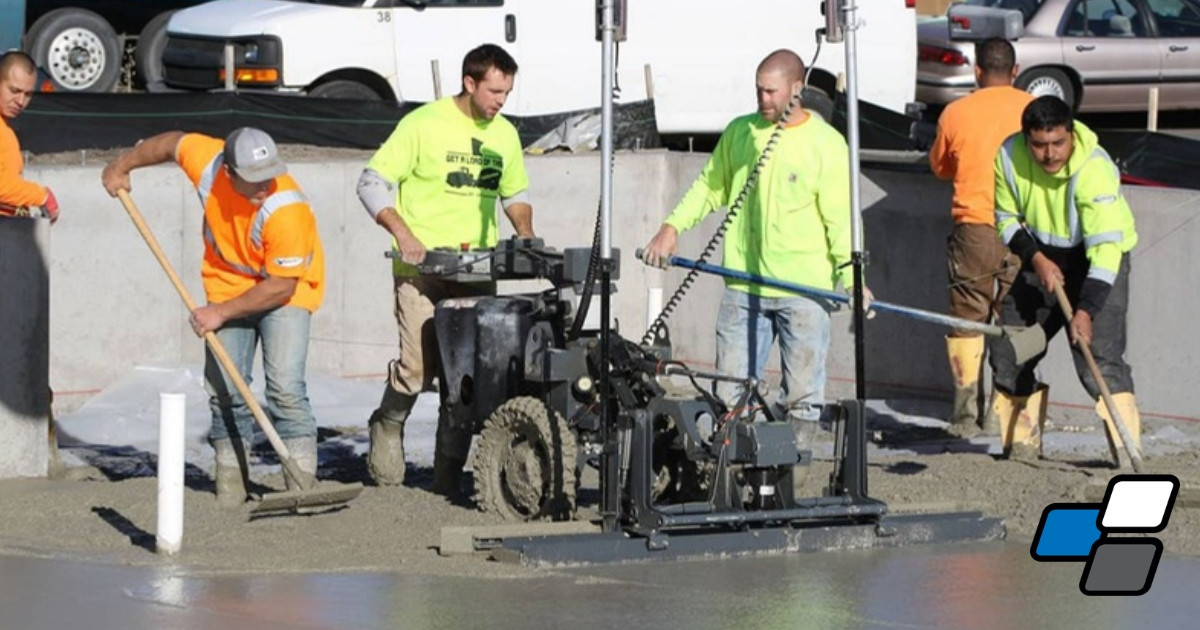
Most Drews flatwork projects are completed in one day, from site prep to pour to finish. Site prep can include removing old concrete, setting forms, and preparing the base before the first truck backs in. Crews read temperature and humidity on site and adjust mixes and curing methods for Minnesota conditions. Once the concrete reaches initial set, a high quality curing compound goes on to slow evaporation and keep moisture in the slab.
Curing continues over the full 30 day period, according to Drews. That slow, steady cure is when the concrete gains most of its strength. Heavy vehicles should stay off a new driveway until the crew says it is ready. Homeowners can help by keeping cars, sprinklers, and pets off the fresh slab. It also helps to skip deicers during the first winter if the crew recommends it.
Late fall pours take extra care, and cold weather concreting has a formal definition. Under American Concrete Institute guidance described in an ACI article on cold weather concreting, it begins once air temperatures drop or are forecast to drop below 40 degrees Fahrenheit. Fresh concrete needs protection from freezing until it reaches at least 500 psi, which is why concrete flatwork Twin Cities crews pour in shoulder seasons gets extra attention.
Planning a new driveway or front walk? Talk with our team at (763) 972-4010 or set up a free flatwork estimate.
Not every worn slab needs to be torn out. Surface scaling, small cracks, and minor spalls can sometimes be repaired, sealed, or coated. Slabs that have heaved, sunk, or broken into separate sections usually need removal and a new pour. Steps that crumble along their edges often end up being replaced, since patches on salt soaked edges tend to be short lived.
An honest assessment saves money either way. Because Drews both pours concrete and installs coatings, the crew can explain whether repair, coating, or replacement makes the most sense for each surface. That choice is where experienced concrete flatwork Twin Cities crews earn their keep.
Drews pours a wide range of flatwork. The list includes driveways, walkways, front stoops, steps, patios, garage floors, and basement slabs. Stamped and exposed concrete are also on the menu for homeowners who want a decorative look.
Steps and stoops deserve special attention in Minnesota. They take heavy salt exposure, freeze and thaw constantly, and see foot traffic every day. Crumbling steps are a familiar sight across the metro. A new stoop poured with the right mix and reinforcement can serve for many years.
Once a new slab has cured, sealing helps protect it from salt and moisture. Drews offers a clean and seal treatment with acrylic and penetrating sealers, and recommends resealing most surfaces every two to three years depending on traffic and exposure. Our post on how sealers protect outdoor concrete from Minnesota weather explains the options.
Plain broom finished concrete is a common driveway choice because the texture gives good traction in winter. Homeowners who want more style can choose stamped concrete, which presses patterns like stone or brick into the surface. Exposed concrete is another option, revealing the aggregate for a textured look. Decorative finishes suit patios, walks, and entries especially well. Each finish has its own care needs, so the crew explains sealing and maintenance for the option you choose.
Every part of the metro brings its own challenges. Older Minneapolis homes often have narrow driveways, alleys, and aging steps that need replacing. Plymouth lots can come with longer driveways and more slope to manage. Edina homeowners updating an exterior may want a decorative finish to match. Concrete flatwork Twin Cities crews pour should account for each of these differences.
Drainage is a common thread. Water has to move away from the house, the garage, and the street. An on site visit is how the crew plans slope, joints, and thickness before giving a price.
Drews says builders and homeowners alike trust its flatwork crews. One general contractor superintendent noted in a testimonial on the Drews website that the company handled all site flatwork on his projects. That experience with larger pours carries over to residential driveways and walks.
ACI certification means the foremen have been trained and tested on concrete standards and practices. That knowledge shows up in mix choices, placement, finishing, and curing. Drews has poured and finished concrete around the Twin Cities for decades and holds regular safety meetings and jobsite checks. Quality concrete flatwork Twin Cities homeowners expect depends on that kind of experience.
Drews Industries pours driveways, walks, steps, patios, and garage slabs across the Twin Cities, with crews led by ACI certified foremen. A typical Drews pour combines a 4500 PSI mix, 6 percent entrained air, and a rebar mat, and the crew usually wraps up prep, placement, and finishing in a single day.
Tiny air bubbles in air entrained concrete give freezing water room to expand, which protects the surface from scaling during freeze thaw cycles. Industry guidance notes that properly air entrained concrete has excellent resistance to scaling. Drews uses 6 percent air in most flatwork mixes for this reason.
It depends on the mix, weather, and slab. Concrete gains strength over its full 30 day cure, and heavy vehicles should wait until the crew says the slab is ready. Light foot traffic usually comes sooner. The crew gives clear timing for your project after the pour.
Yes, with precautions. Cold weather conditions start when air temperatures fall below 40 degrees Fahrenheit, and fresh concrete must be protected from freezing while it gains strength. Crews adjust mixes and curing methods for Minnesota conditions. Late season pours need extra planning.
Sealing helps protect cured concrete from salt and moisture. Drews offers clean and seal treatments with acrylic and penetrating sealers, and recommends resealing most surfaces every two to three years. The right timing for a new slab depends on cure, so the crew explains when to seal.
Yes. Drews pours front stoops and steps, and crumbling steps are a common repair in Minnesota because of salt and freeze thaw exposure. Depending on condition, steps may be repaired or replaced. The crew evaluates the concrete on site and explains which option makes more sense.
A driveway or front walk is a long term investment. The right mix, reinforcement, grade, and cure are what keep it smooth through decades of Minnesota winters. An experienced, certified crew makes those decisions before the first truck arrives.
Drews Industries gives free flatwork quotes. Call (763) 972-4010 or book a site visit to plan concrete flatwork Twin Cities homeowners in Minneapolis, Plymouth, and Edina will use for years.