
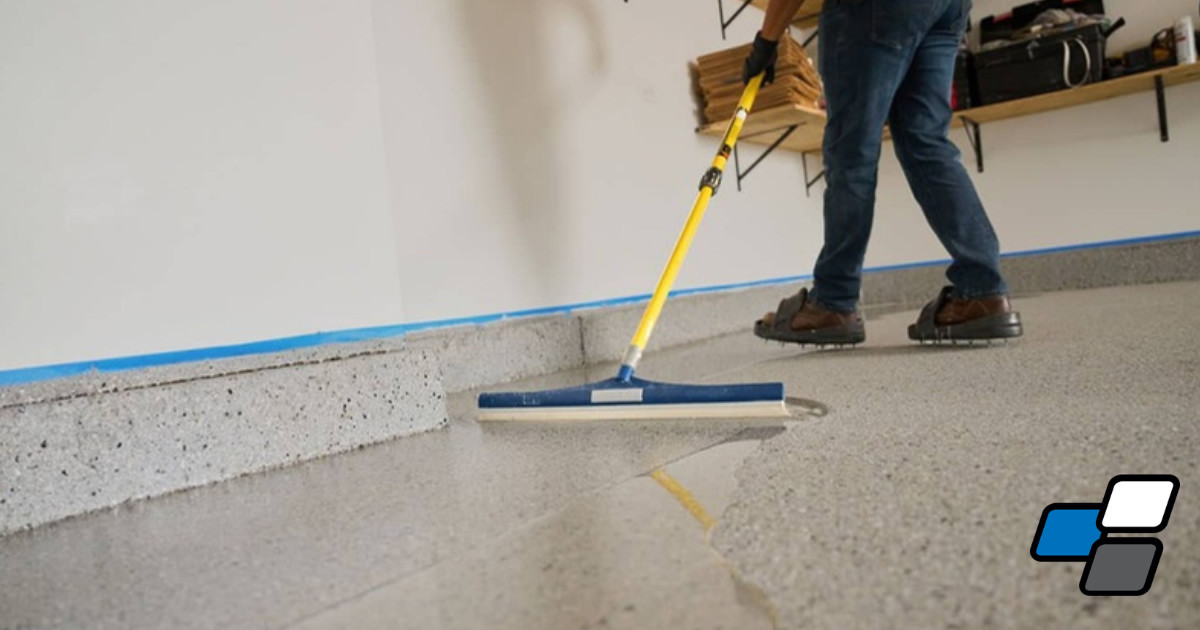
A clean and seal concrete floor Minnesota homeowners choose gets a deep cleaning, a full dry out and a coat of professional grade sealer. It keeps the natural look of the concrete while it blocks moisture, oil and salt. It costs less than a full coating and takes less time. Drews Industries offers clean and seal service for driveways, patios, walks and floors across the Twin Cities.
Not every slab needs a decorative floor. Some homeowners like the look of plain concrete. Some just want to protect a driveway before another winter. Clean and seal fits those jobs. Think of it as maintenance that adds years to the concrete you already have.
The name says most of it. First we clean. Then we seal.
Cleaning is more than a quick rinse. Depending on the slab, it can mean power washing, degreasing or scrubbing with stiff brushes. Stubborn stains get extra treatment. Oil drips, rust marks and tire stains all come up before any sealer goes down.
Next, the slab has to dry completely. Sealer over damp concrete can trap moisture and cloud up. We wait until the surface is ready.
Then the sealer goes on. It soaks into the concrete or forms a thin protective film, depending on the type. The result is a slab that sheds water, resists stains and holds up better to freeze and thaw.
We use two main kinds of commercial grade sealer. Each one fits a different job.
Acrylic sealers dry quickly. They enhance the color of the concrete and leave a non yellowing finish. If your driveway looks faded and dull, an acrylic sealer brings back some of its depth. It is a nice pick for patios and walks where looks matter.
Penetrating sealers soak into the concrete. They form a breathable barrier against moisture and deicing chemicals. You will not see much change in color. What you get is protection inside the pores, where salt and water do their damage.
Our estimator looks at the slab, how you use it and what you want it to look like. Then we recommend the sealer that fits.
Snow is part of life here. The Minnesota DNR lists average annual snowfall at about 35 inches in the southwest and more than 70 inches in the northeast. Every inch of it melts somewhere.
Meltwater soaks into bare concrete. When it freezes, it expands. Over time that cycle pops off small chips of the surface, called spalling. Salt speeds it up by keeping the slab wet longer.
Salt is hard on water too. State water experts warn that a single teaspoon of salt permanently pollutes five gallons of water. A sealed driveway sheds slush faster, so you may need less salt to keep it safe.
A good sealer cuts down on all of that. Water beads up instead of soaking in. Deicing chemicals have a harder time reaching the pores. The slab stays stronger, longer.
Driveways are a natural fit. They take the most salt, the most traffic and the most sun. A seal every few years keeps them looking cleaner and helps prevent pitting.
Patios and walks come next. A sealed patio resists spilled drinks, grill grease and leaf stains. A sealed front walk looks sharp and sheds water after a storm.
Garage floors are a special case. Clean and seal helps, but a garage takes hot tires, oil drips and heavy salt every day. Many homeowners get more out of a full garage floor coating with chips and a topcoat. We will tell you which fits during the estimate.
Businesses use clean and seal too. Sidewalks, entries and loading areas all benefit from a fresh seal.
Sealers wear down with time. Sun, tires and plows all take a toll. For most surfaces, plan on resealing every 2 to 3 years. High traffic areas or slabs that see heavy salt may need it sooner.
There are easy signs it is time. Water stops beading. The surface looks dull and dry. Stains soak in faster than they used to.
Resealing goes faster than the first round. The slab is already clean and protected, so prep is lighter. Many homeowners put it on the calendar every few summers along with other outdoor chores.
Small habits stretch the life of a seal. Shovel early. Snow packed down by tires turns to ice, and ice needs salt.
Use less salt when you do need it. A coffee mug of salt covers a lot more ground than most people think, and the extra just washes away into the storm drain. Sweep up the dried crust once the walk clears.
Keep gutters and downspouts pointed away from the driveway. Water that pours onto the same spot all winter wears through any sealer faster than the rest of the slab.
Rinse the driveway in spring. A garden hose and a stiff broom lift the salt film that built up over the winter, and the sealer underneath stays clean and ready for summer.
Just had a new driveway poured? Hold off on sealing. New concrete needs at least 28 days to cure before any sealer goes on.
Sealing too early can trap moisture inside the slab. It can weaken the surface or keep the sealer from working the way it should. Patience now saves trouble later.
Our flatwork crew pours new driveways, walks and patios. If our crew pours your slab, ask about sealing it once the cure time passes. That keeps both jobs with one team.
Clean and seal and a full coating solve different problems. Here is a simple way to think about it.
Clean and seal keeps the natural concrete look. It costs less, installs faster and protects the slab from water and salt. It needs resealing every few years.
A full coating changes the look. You get color, chips or quartz texture and a thick topcoat. It handles hot tires, oil and heavy wear better. It costs more up front but asks for less upkeep over time.
Want to compare every option side by side? Our concrete coatings overview walks through each system we install.
Our crews clean and seal concrete across the metro. Aging walks and steps at older Minneapolis homes benefit from a fresh seal. In Plymouth, long driveways take a lot of salt and plow wear. Newer patios in Maple Grove stay sharp longer with a seal.
We work out of Delano and serve the whole Twin Cities area.
Clean and seal is a deep cleaning of the concrete followed by a professional grade sealer. It keeps the natural look of the slab while blocking water, oil and deicing salt. It is a lighter, lower cost option than a full coating and works well on driveways, patios and walks.
Most surfaces need resealing every 2 to 3 years. Heavy traffic or heavy salt can shorten that window. Watch for water that no longer beads, a dull dry look or stains that soak in fast. Resealing goes quicker than the first round since prep is lighter.
Wait at least 28 days after the pour before sealing. New concrete releases moisture as it cures, and sealing too early can trap that moisture, weaken the surface or keep the sealer from bonding. If our crew pours your slab, ask about adding the seal after the cure.
Acrylic sealers dry fast, deepen the color of the concrete and leave a non yellowing finish. Penetrating sealers soak into the pores. They form a breathable barrier against moisture and deicers with little change in look. We recommend one based on the slab and how you use it.
It helps, but a garage takes hot tires, oil drips and daily salt. Many homeowners get more life from a full garage coating with a chip base and a polyaspartic topcoat. Clean and seal fits garages used for light storage. Our estimator will help you choose.
Sealing slows it down a lot. A good sealer keeps meltwater and deicing chemicals from soaking into the pores, where freeze and thaw cause spalling. It does not make concrete immune, so reseal on schedule and sweep up dried salt when you can to protect the slab.
A clean and seal is one of the simplest ways to protect your concrete. It takes little time, costs less than a full coating and adds years to the slab.
See our clean and seal service, then request your free floor coating quote. A clean and seal concrete floor Minnesota homeowners book now is ready for the next round of snow and salt.