
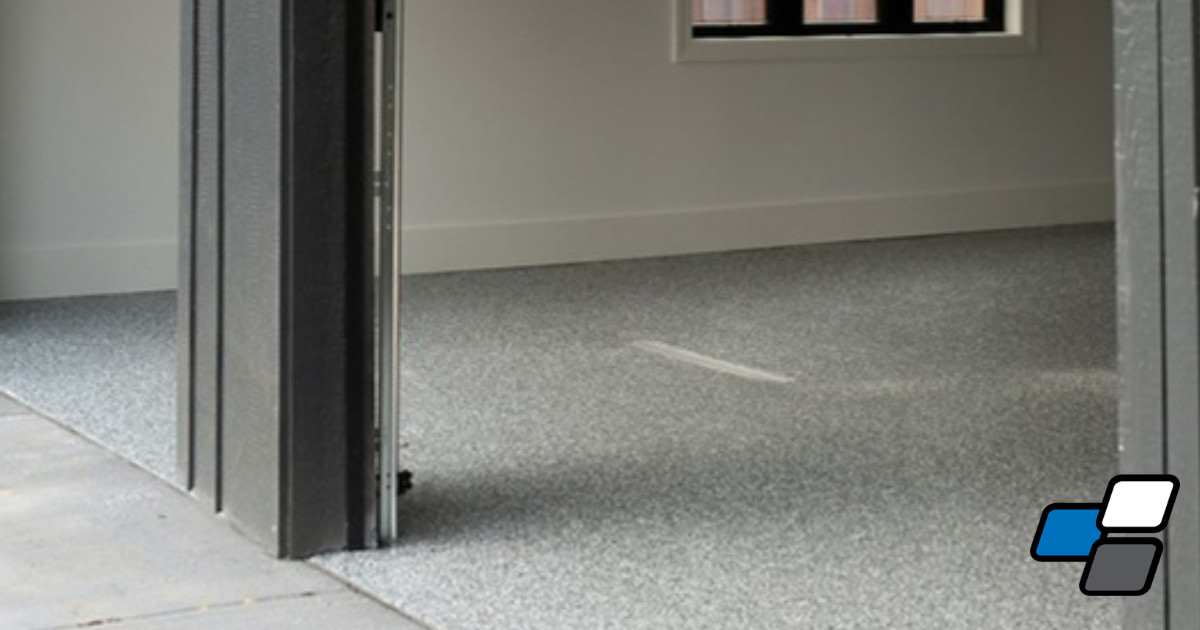
A lake cabin floor coating Minnesota owners count on is a sealed concrete floor that shrugs off sand, wet feet and damp air. It goes on the slab spots that take the most abuse, like the garage, the walkout lower level and the screen porch. Drews Industries coats residential concrete at lake homes and cabins.
Lake life is messy in the best way. Kids run up from the beach covered in sand. Towels drip on the floor. Wet dogs shake off by the door. In fall, boots track in mud and leaves. In winter, the cabin may sit closed for weeks. A bare concrete floor soaks up all of it. A coated floor wipes clean.
Minnesota has a lot of water. The DNR counts 11,842 lakes of 10 acres or more across the state. Thousands of families spend summer weekends near one.
Being close to water means more moisture. Damp air settles into concrete. Puddles from wet feet and swim towels sit on the floor. Sand works into every crack and pore.
Sand is the quiet enemy. Every grain that rides in on a flip flop acts like a tiny piece of sandpaper, and a summer of weekends adds up to a lot of grinding on whatever floor sits by the door. It scratches soft finishes and grinds into bare concrete. A hard, sealed topcoat stands up to it far better.
Then there is the off season. A closed cabin can trap damp air for weeks. Bare concrete holds that moisture and smells musty when you open the door in spring.
Most lake cabins and lake homes have more concrete than you think, from the tuck under garage to the slab under the back steps. Each spot has its own job.
The garage holds cars, mowers, bikes and beach toys. It sees sand, oil and road salt in winter.
The walkout lower level opens to the yard and the lake. It catches wet feet, towels and dripping swimsuits all summer.
The screen porch slab sees rain blowing through the screens, pollen and leaves. A three season porch takes snow melt too.
The entry and mudroom handle everything at once. That is where sand, mud and meltwater all meet.
A coating can cover all of these, so the whole cabin has one easy clean floor.
The first step is a free estimate. Our team checks the slab, looks for moisture and talks through how your family uses the space. Then you get a detailed estimate.
On install day, the crew masks walls, doors and trim. We grind the concrete with HEPA filtered, dust controlled vacuums. Grinding removes old paint and sealer and opens the pores so the primer can bond.
Next, we fill cracks, pits and spalled spots. Then the primer or base coat goes down. For a chip floor, we broadcast the chips by hand until the concrete is covered. Once cured, the floor gets scraped and vacuumed, and a UV stable topcoat finishes the job.
Most people walk on it the next day. Vehicles in the garage wait a few more days, as your crew directs.
Finish choice matters at the lake. You want something that hides sand and water spots between cleanings.
Decorative chip is the go to pick. The mixed flakes hide sand, dirt and dried water spots. The texture adds grip under wet feet. Our UV Collection is made for outdoor use, which suits sunny porches and slabs near open doors.
Mid tone blends work best. Very dark floors show sand. Very light floors show mud. A sandy or gray blend matches beach life well.
Grip matters near the lake. We can add fine grit to the topcoat near doors and steps. That gives wet feet more to hold on to.
Moisture is the biggest cabin worry. A coating seals the slab surface, which helps a lot. But it does not change the air in the room.
The EPA advises drying wet areas within 24 to 48 hours to prevent mold growth. On a coated floor, that is easy. Wipe up puddles with a towel or squeegee. Nothing soaks in.
The EPA also suggests keeping indoor humidity below 60 percent. A dehumidifier in the lower level helps a lot in a lake home, and running it through the humid stretch of July and August keeps the space from smelling like a damp basement when guests arrive.
Before you close the cabin for the season, sweep, mop and let the floor dry. Leave doors to closets cracked so air can move. A clean, dry floor greets you in spring.
Plenty of cabins still have bare concrete or a painted floor from years ago. Neither one lasts at the lake.
Bare concrete is porous. It drinks in water, holds onto that musty smell and turns dusty as the surface wears down under sand and foot traffic.
Paint is worse in some ways. It looks fresh for a summer, then peels near the doors where wet feet hit it most. Once it starts, it comes up in sheets.
A ground and coated floor is a different animal. The primer bonds into the open concrete instead of sitting on top. The topcoat is thick and hard, so sand has a tough time scratching it. You spend your weekend on the water side of the cabin, not on your knees scraping paint.
Summer care is simple. Sweep sand daily. Mop with warm water and a mild cleaner once a week. Put a boot tray and a beach towel bin by the door.
Fall brings leaves and mud. A soft broom and a quick mop handle both.
Winter at the cabin means slush and salt. Push meltwater out with a squeegee. Rinse salt film every few weeks if you use the place in winter.
Spring is the time for a deeper clean. Scrub the texture with a soft brush to lift ground in sand. Check for any chips or scratches and let us know.
Want lighter protection for a cabin driveway or walk? A clean and seal keeps outdoor concrete protected for less.
Our shop sits in Delano, close to many west metro lake homes. We know the area and the conditions families deal with.
Around Lake Minnetonka, garages, walkouts and porches at year round homes and weekend places can all be coated. Learn more on our Minnetonka service page. In Chaska and Chanhassen, plenty of homes sit near smaller lakes and wetlands, with the same sand and moisture challenges.
Own a cabin farther out? We serve the greater Twin Cities metro and many areas outside it. Ask during your call and we will tell you what we can do. For walkout ideas, see our post on lower level floors for Minnesota walkout homes.
A decorative chip floor works best for most lake cabins. The mixed flakes hide sand and water spots, and the texture adds grip under wet feet. A UV stable topcoat seals the slab against moisture. Our UV Collection chips suit sunny porches and slabs near open doors.
Usually, yes. We check the slab for moisture during the free estimate and pick a system that fits. A coating seals the surface but does not fix active leaks or standing water from outside. Those need repair first. A dehumidifier helps control damp air in lower levels.
Sand is abrasive, but a hard topcoat holds up much better than bare concrete or soft finishes. Sweep daily in summer and keep a mat at each door. A mid tone chip blend hides sand between cleanings, so the floor looks clean even on busy beach weekends.
Yes. Screen porch slabs are a good fit for coating. We grind the slab, repair defects and apply a chip system with a UV stable topcoat. Our UV Collection chips are made for outdoor use. The sealed surface handles rain blowing through the screens and wipes clean fast.
Sweep and mop before closing, then let the floor dry fully. Leave closet doors cracked so air can move. If the cabin has power, a dehumidifier keeps damp air in check. In spring, scrub the floor with a soft brush and mild cleaner to lift any dust.
Garages typically take one or two days on site, and your estimate lists the schedule for other spaces. Bare feet and sandals are usually fine within a day. Vehicles and heavy furniture wait a few more days. Plan the install between weekend trips so the floor has time to cure before the next crowd arrives.
Your cabin is where your family slows down. The floor should not add chores. A sealed, textured coating keeps sand, water and mud under control so you can enjoy the lake.
See our residential concrete coatings, then request your free floor coating quote. A lake cabin floor coating Minnesota families install this year is ready for next summer.